
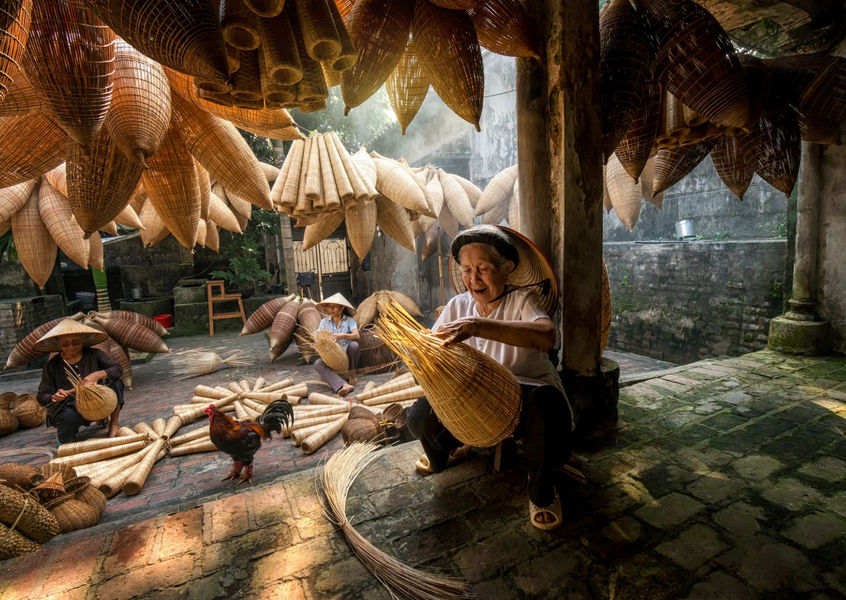
Beyond the beaches and skyscrapers most travelers photograph, Vietnam holds centuries of ritual, craft, and daily life that rarely make it onto a postcard. A country shaped by three distinct regions, dozens of ethnic groups, and over a thousand years of history offers far more than scenic backdrops. These six experiences, spanning the north, center, and south of Vietnam, reveal the traditions, beliefs, and everyday rhythms that define the real Vietnam.
1. Why Cultural Travel Is the Best Way to Understand Vietnam
Vietnam stretches over 1,600 kilometers from the Red River Delta in the north to the Mekong Delta in the south, and its culture shifts noticeably along the way. Hanoi carries the weight of imperial and colonial history, Hue preserves the ceremony of a royal court, Hoi An still breathes as a 16th-century trading port, and the Mekong Delta moves to the rhythm of the river. Choosing one or two cultural experiences from each region gives travelers a far more complete picture of the country than focusing on a single city.
2. 6 Must-Go Vietnam Cultural Experiences
2.1. Thang Long Water Puppet Show, Hanoi
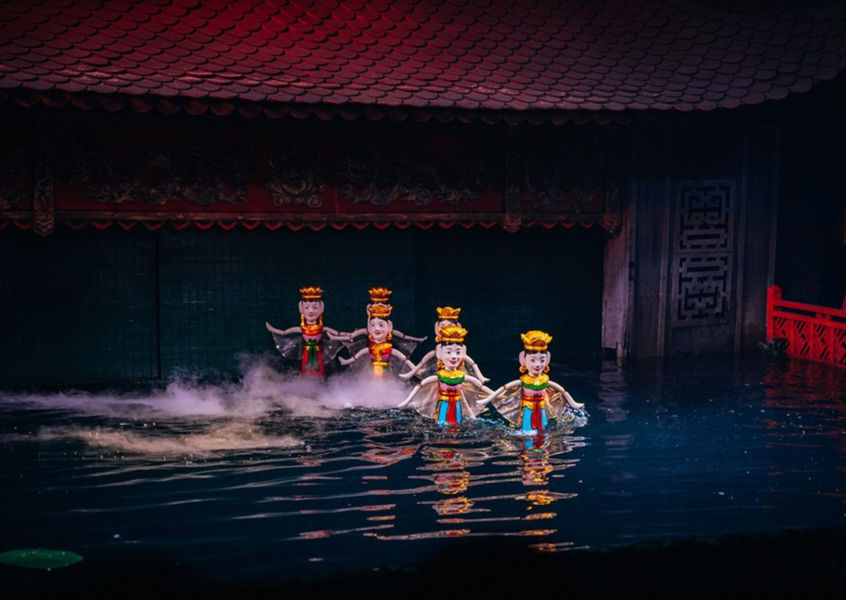
Water puppetry (roi nuoc) originated in the rice paddies of the Red River Delta over a thousand years ago, when farmers performed folk tales on flooded fields during the off season. Today, the Thang Long Water Puppet Theatre in Hanoi’s Old Quarter stages the tradition nightly, with wooden puppets gliding across a water-filled stage to live traditional music from a dan bau (monochord) and dan nguyet (moon lute).
The 45-minute shows depict scenes of rural Vietnamese life, from rice harvesting to legendary tales like the story of the Golden Turtle. Because the performance relies on visual storytelling and live music rather than dialogue, it works well for travelers of any age or language background. Shows run several times an evening and tickets typically cost between 100,000 and 200,000 VND, so booking a seat close to the stage in advance is worth doing during peak season.
2.2. Old Quarter Street Food Culture, Hanoi
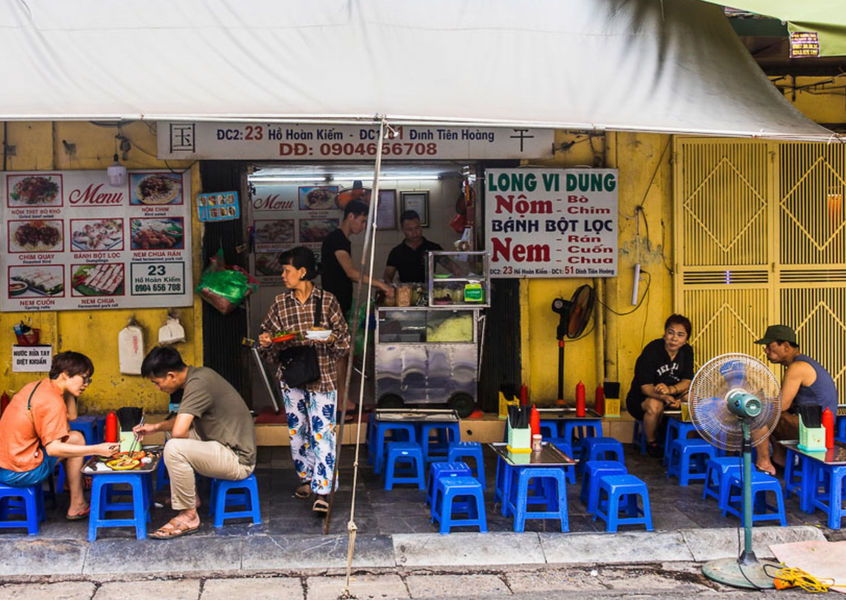
Hanoi’s 36 Streets, each historically tied to a single guild trade, remain the beating heart of the city’s food culture. Low plastic stools, charcoal grills, and vendors who have sold the same dish for decades line alleys just steps from Hoan Kiem Lake. Bun cha, grilled pork over rice noodles, was made globally famous when Barack Obama shared a meal there with chef Anthony Bourdain in 2016, but the dish had already been a neighborhood staple for generations.
A guided street food walk typically covers five to seven stops, pairing dishes like pho, banh cuon, and egg coffee with context on the guild history behind each street. For travelers who want deeper immersion, a hands-on cooking class at a local home or culinary school extends the experience from tasting to actually preparing regional specialties.
2.3. Hue Imperial Citadel and Royal Court Music, Central Vietnam
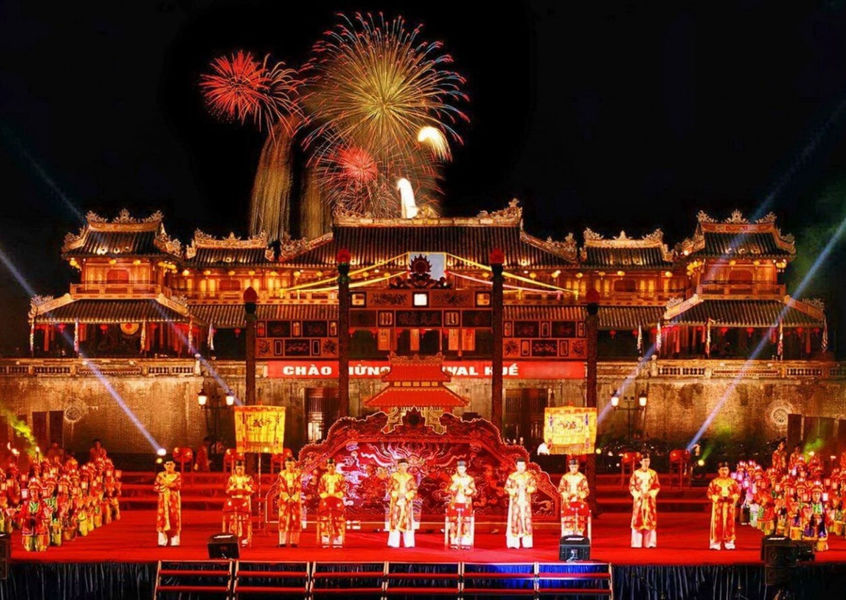
Hue served as the imperial capital of the Nguyen Dynasty from 1802 to 1945, and its citadel remains one of Vietnam’s eight UNESCO World Heritage Sites. Modeled on Beijing’s Forbidden City, the walled complex houses the Ngo Mon Gate, the Thai Hoa Palace, and the tombs of Nguyen emperors set along the Perfume River.
Nha nhac, Vietnam’s royal court music, was recognized by UNESCO as an intangible cultural heritage in 2003 and can still be heard in short performances within the Citadel grounds. Combining a Citadel tour with an early morning boat ride on the Perfume River to visit Thien Mu Pagoda gives travelers both the architectural and spiritual layers of Hue’s imperial past in a single half-day.
2.4. Hoi An Ancient Town and Lantern Making, Central Vietnam
Hoi An flourished between the 16th and 19th centuries as a trading port where Japanese, Chinese, and later European merchants exchanged silk, spices, and ceramics. That mercantile history is still visible in the town’s Japanese Covered Bridge, Chinese assembly halls, and centuries-old merchant houses, which together earned Hoi An UNESCO World Heritage status in 1999.
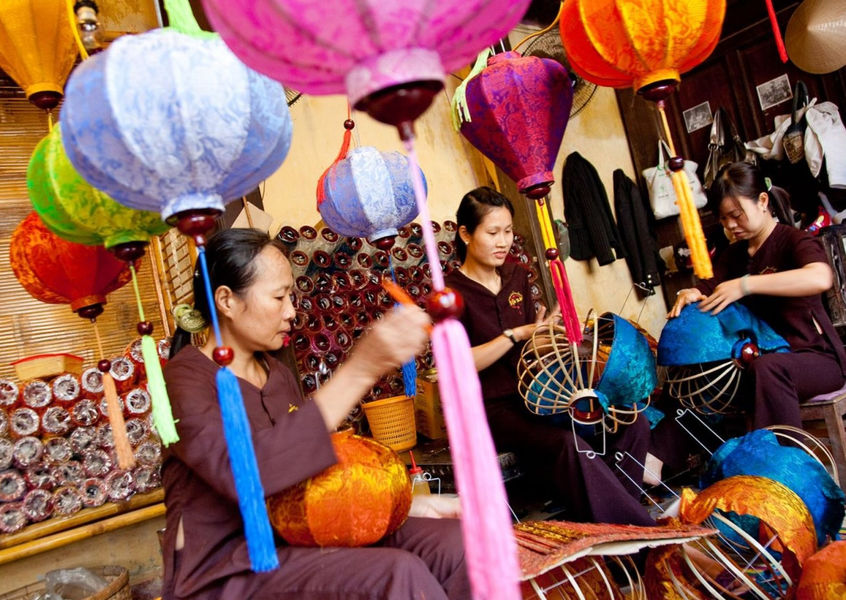
Lantern making remains one of the town’s most enduring crafts, and workshops throughout the old quarter let visitors assemble a silk lantern by hand using bamboo frames and dyed fabric, the same technique local artisans have used for generations. The tradition comes fully alive during the monthly Lantern Festival, held on the 14th day of the lunar calendar, when the town switches off electric lights and the streets glow entirely with lantern light.
2.5. Cao Dai Holy See Ceremony, Tay Ninh
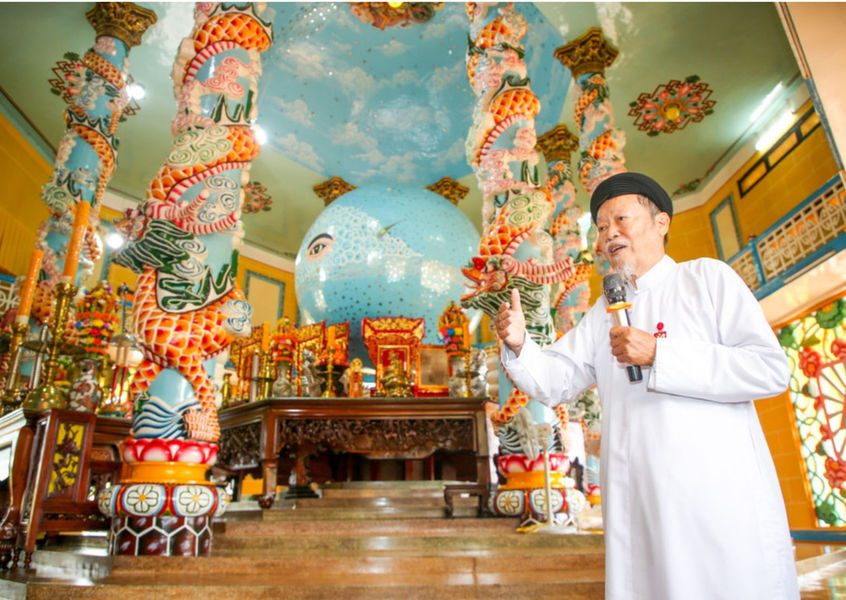
Caodaism, founded in Tay Ninh Province in 1926, blends elements of Buddhism, Taoism, Confucianism, Christianity, and Islam into a single indigenous faith, and it counts several million followers across southern Vietnam today. The Cao Dai Holy See, the religion’s principal temple, holds four daily ceremonies at 6am, 12pm, 6pm, and midnight, with priests dressed in red, yellow, and blue robes representing the three main faiths woven into the belief system.
Visitors are welcome to observe the midday ceremony from an upper balcony as chanting, incense, and traditional instruments fill the ornate hall. The temple sits roughly 90 kilometers northwest of Ho Chi Minh City and is commonly paired with a visit to the Cu Chi Tunnels as a full-day trip from the city.
2.6. Mekong Delta Floating Markets and River Life, Southern Vietnam
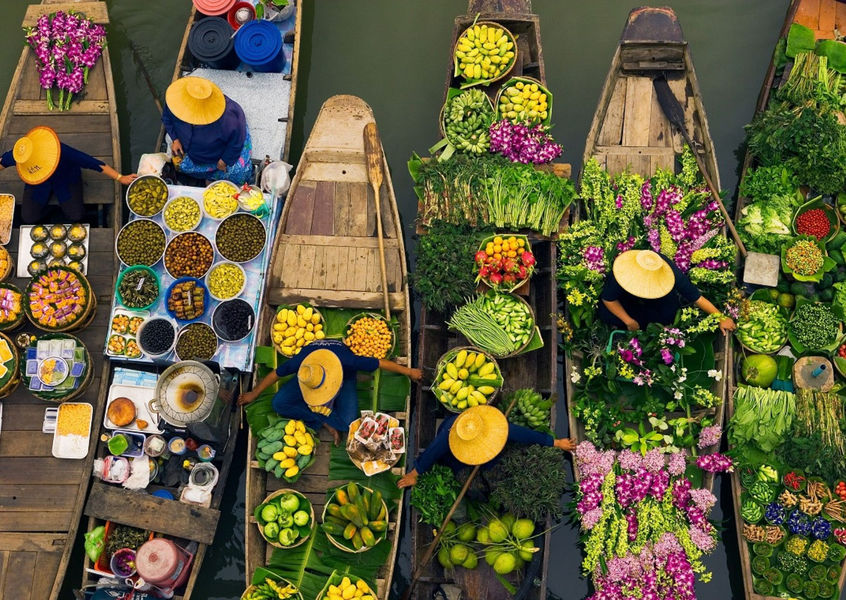
South of Ho Chi Minh City, the Mekong River splits into nine branches known locally as Cuu Long, or the Nine Dragons, feeding a delta where an estimated 17 million people live largely by the rhythm of the water. The Cai Rang Floating Market near Can Tho remains the region’s largest, with vendors hanging a sample of their produce on a tall pole, a system called “bung beu,” so buyers can identify what each boat sells from a distance.
A sunrise boat trip through Cai Rang, followed by a paddle through smaller canals lined with fruit orchards and rice paper workshops, shows a side of Vietnam shaped entirely by water rather than roads. Homestays in the delta, often run by local families, extend the experience overnight with home-cooked meals and, in some villages, traditional don ca tai tu folk music performed after dinner.
3. Planning Your Cultural Journey Through Vietnam
These six experiences span roughly 1,700 kilometers from Hanoi to the Mekong Delta, so most independent travelers combine two or three regions rather than attempting all six in a single trip. A north-to-south route covering Hanoi, Hue, Hoi An, and Ho Chi Minh City over 10 to 12 days typically allows time for both the water puppet show and a Mekong Delta extension, while shorter 7-day itineraries usually focus on either the north and center or the center and south.
For travel agents and tour operators building custom itineraries for clients, timing matters as much as sequencing. The Hoi An Lantern Festival, Cao Dai’s Great Ceremonial festivals around Lunar New Year, and Hue’s biennial Hue Festival of traditional arts each shift the experience significantly depending on the month of travel. Working with a licensed ground operator based in Vietnam makes it easier to confirm current ceremony times, festival dates, and regional access before finalizing a client’s itinerary.
Planning a trip that goes beyond a checklist of sights? Tonkin Legends, a Vietnam luxury DMC, designs private cultural journeys that pair moments like a royal court music performance in Hue or a sunrise boat glide through Cai Rang with five-star stays and dedicated local guides. Whether you are a traveler seeking a tailor-made itinerary or a travel agent sourcing a trusted ground partner for luxury clients, Tonkin Legends turns these six cultural experiences into a seamless, fully custom journey through Vietnam.
4. Frequently Asked Questions
What is the most authentic cultural experience in Vietnam?
There is no single “most authentic” experience, since Vietnam’s culture varies significantly by region. The water puppet show reflects northern agricultural tradition, the Hue Imperial Citadel reflects royal history, and the Mekong Delta reflects southern river life, so the most authentic experience depends on which region a traveler visits.
How many days do you need to experience Vietnamese culture properly?
Most travelers need at least 10 to 12 days to meaningfully experience cultural sites across the north, center, and south of Vietnam, given the distances between Hanoi, Hue, Hoi An, and the Mekong Delta.
Is the Cao Dai temple open to non-followers?
Yes, the Cao Dai Holy See in Tay Ninh welcomes visitors to observe daily ceremonies from a designated upper balcony, provided they dress modestly and remain quiet during the service.
What is the best time of year to see Hoi An’s Lantern Festival?
The Lantern Festival takes place monthly on the 14th day of the lunar calendar, so it can be timed with almost any month of travel by checking the corresponding lunar date in advance.
Can these six experiences be combined into one itinerary?
Yes, though most travelers pair them into a north-to-south route of 10 or more days rather than visiting all six regions on a shorter trip, given the travel distances involved.

Comment (0)