
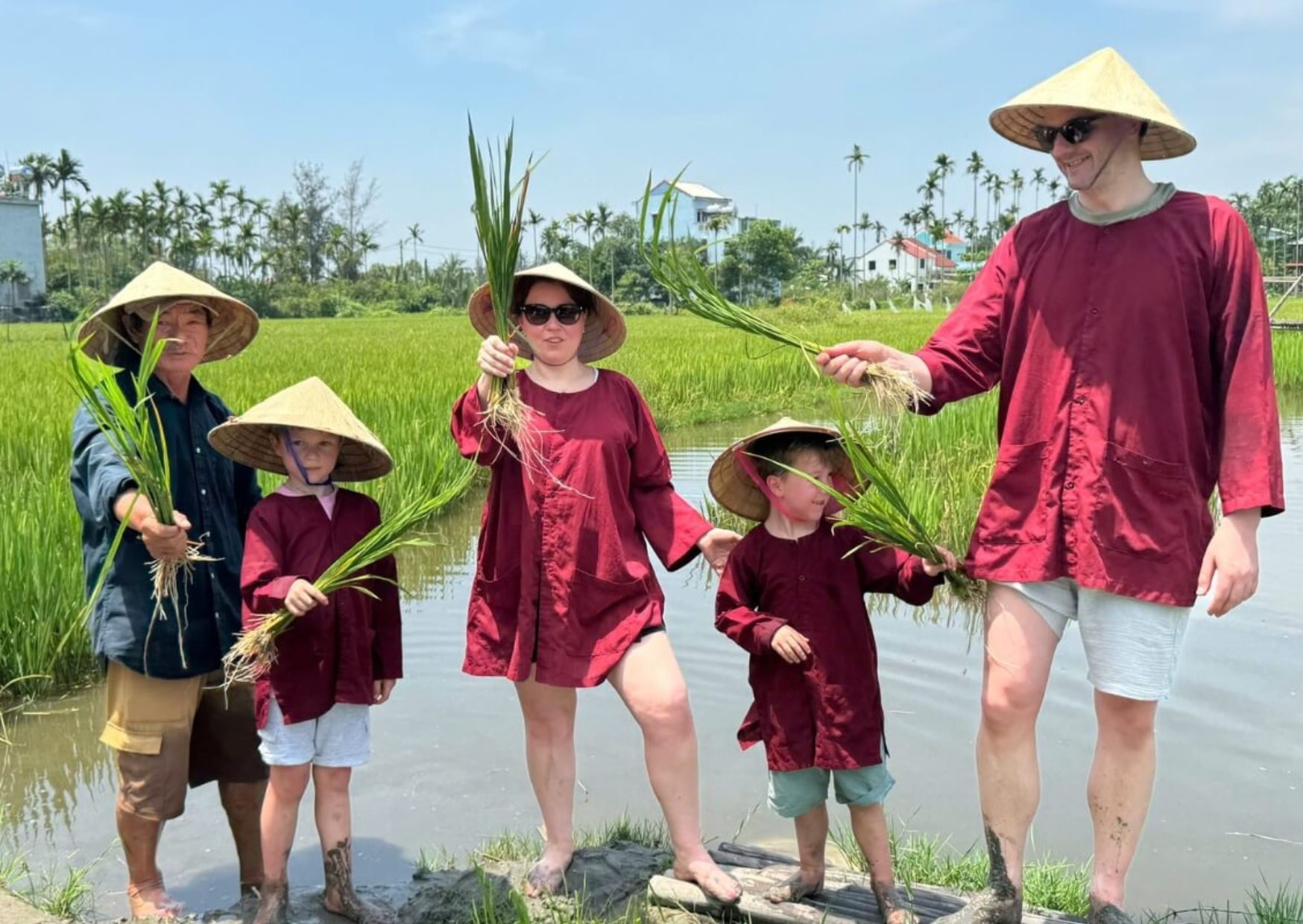
Vietnam consistently ranks as one of Southeast Asia’s most rewarding family destinations, and the best way to plan a trip is to start from the activities themselves rather than the map. Below are 15 of the best things to do in Vietnam with kids, organized so you can quickly see what each one involves and which age group it suits best.
1. Is Vietnam a Good Destination for Family Travel?
Vietnam is an incredible destination for a family vacation, offering a rich mix of experiences that keep both parents and kids engaged. The country’s family attractions generally fall into four exciting categories: scenic boat cruises, cultural shows, active adventures, and pure play (entertainment hubs). The best part? Most major cities and tourist hubs conveniently combine at least two of these options within a short drive, making logistics a breeze for families traveling with children.
To help you plan without the guesswork, activities are widely categorized by recommended age ranges. This allows you to build a tailored, day-by-day itinerary that perfectly matches your children’s stamina. A pro-tip used by many experienced family travelers to avoid mid-trip burnout is the “mix-and-match” formula: combine one high-energy, active adventure with one low-key, relaxing activity per day. Geographically, Vietnam’s attractions are perfectly structured for flexible travel planning:
- The North (Hanoi, Ha Long Bay, Sapa): Ideal for families who want a vibrant cultural base in the capital, paired with stunning nature excursions.
- The Centre (Da Nang, Hoi An) & The South (Ho Chi Minh City, Phu Quoc): These regions work wonderfully as standalone, short trips, offering a perfect balance of beach relaxation, heritage, and modern theme parks.
With its diverse activities, easy regional transitions, and family-centric vibe, Vietnam stands out as a seamless and deeply rewarding choice for your next family adventure.
2. 15 Best Things to Do in Vietnam with Kids
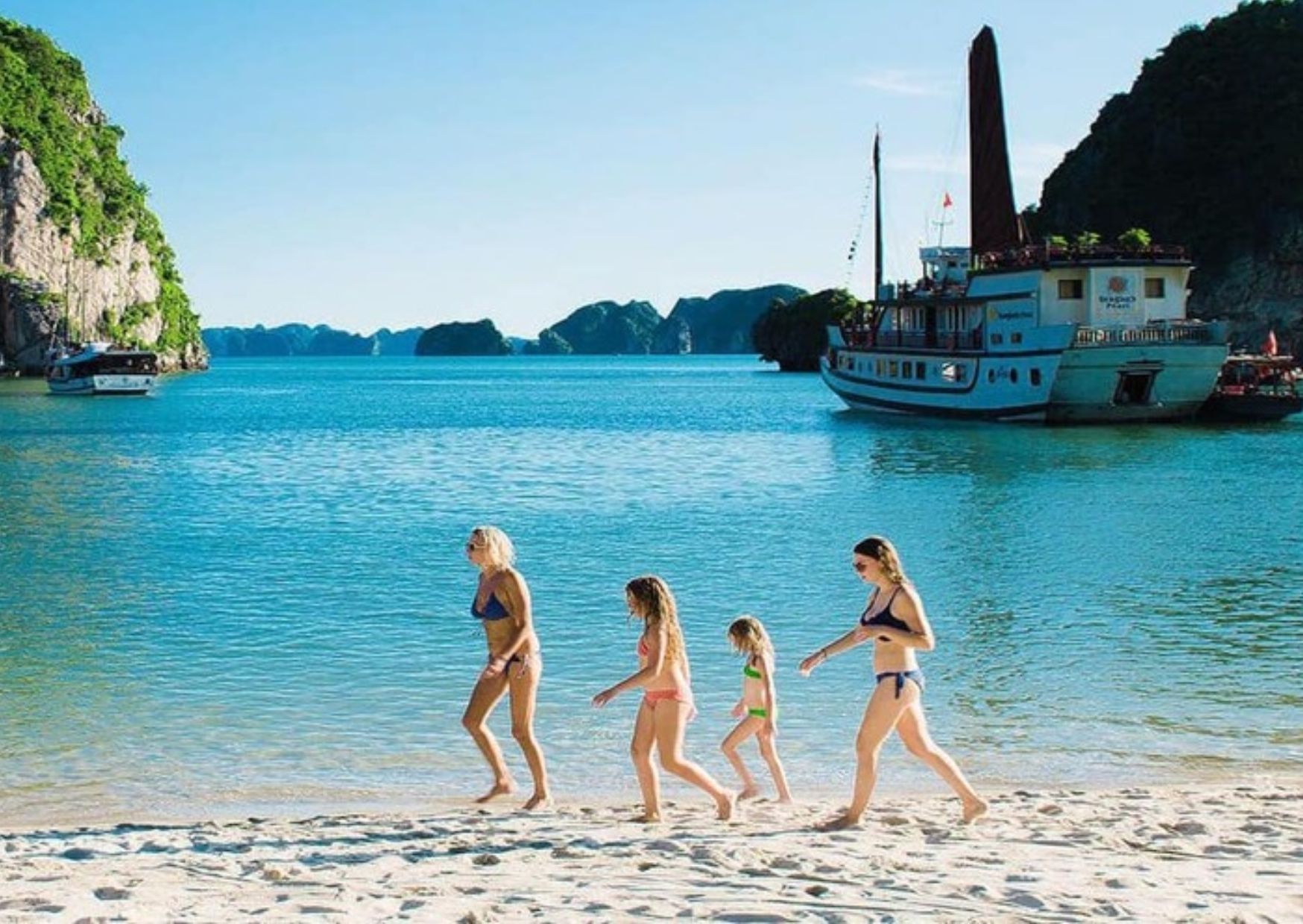
2.1. Cruise Ha Long Bay by Junk Boat
A Ha Long Bay cruise puts the whole family on a slow-moving wooden junk that glides past thousands of limestone karst towers rising out of emerald water. Most cruises include cave stops, a kayaking or rowboat session in sheltered lagoons, and an onboard pool on the bigger boats.
This activity is best for ages 0–14 because there’s no walking involved, which makes it one of the few “must-see” Vietnam experiences that works for a sleeping baby just as well as a curious pre-teen. Overnight cruises with private cabins suit older kids better than long day trips with a younger toddler’s nap schedule.
2.2. Row Through Trang An’s Caves
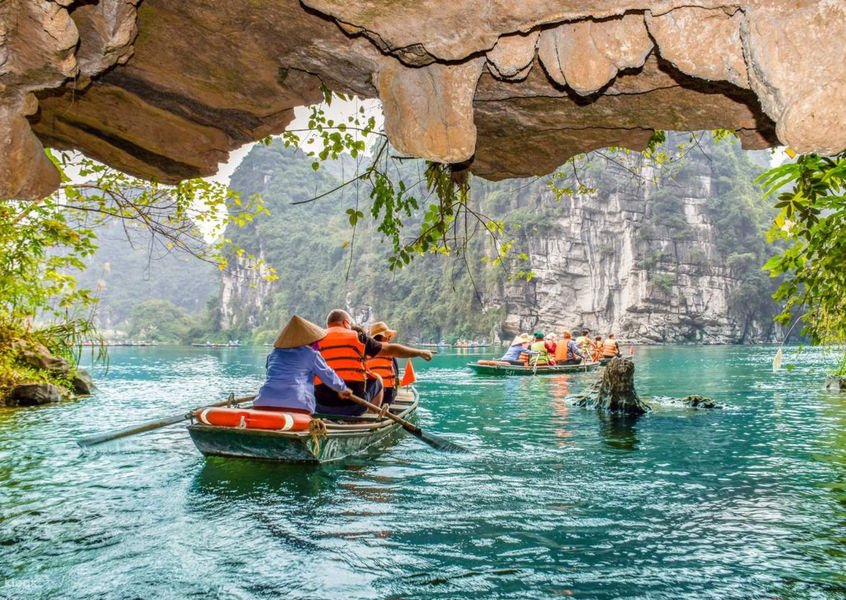
Trang An, in Ninh Binh Province, swaps the open sea for a quieter river route through rice fields and karst caves, paddled by a local rower in a flat-bottomed boat. The ride lasts around 2.5–3 hours and requires only sitting still. Children at the ages between 2 and 10 enjoy these activities most due to the row being shorter than a Ha Long Bay cruise, so it suits families with younger children or shorter attention spans who still want the same dramatic limestone scenery.
2.3. Watch a Water Puppet Show in Hanoi
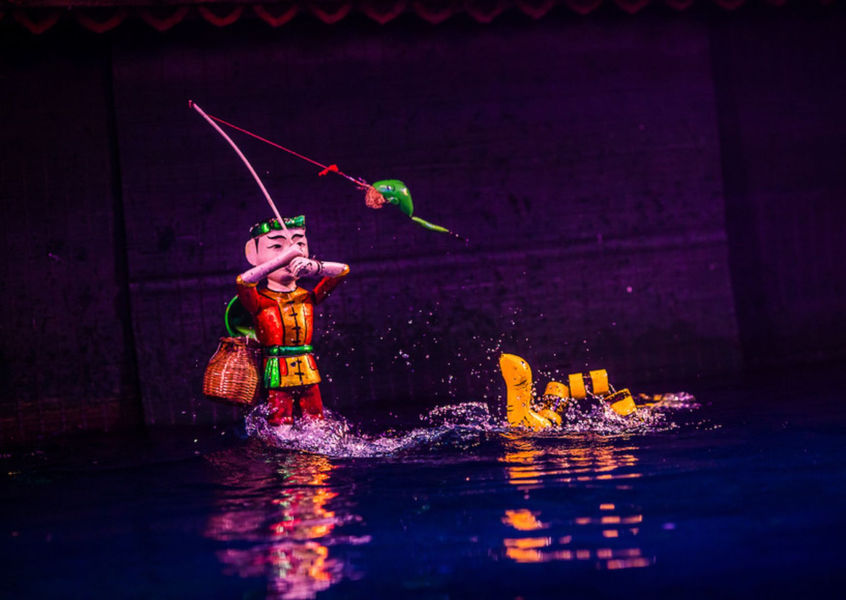
Vietnam’s traditional water puppet shows use puppets performing on a pool of water, accompanied by live folk music, which is a format that needs no language comprehension to enjoy. Shows run about 45–50 minutes at venues like the Thang Long Water Puppet Theatre in Hanoi. Best for ages 3–12 because it is highly visual and short enough for younger kids, though toddlers under 3 may get restless in the seated, indoor setting.
2.4. Explore Hoi An’s Ancient Town by Bicycle or on Foot
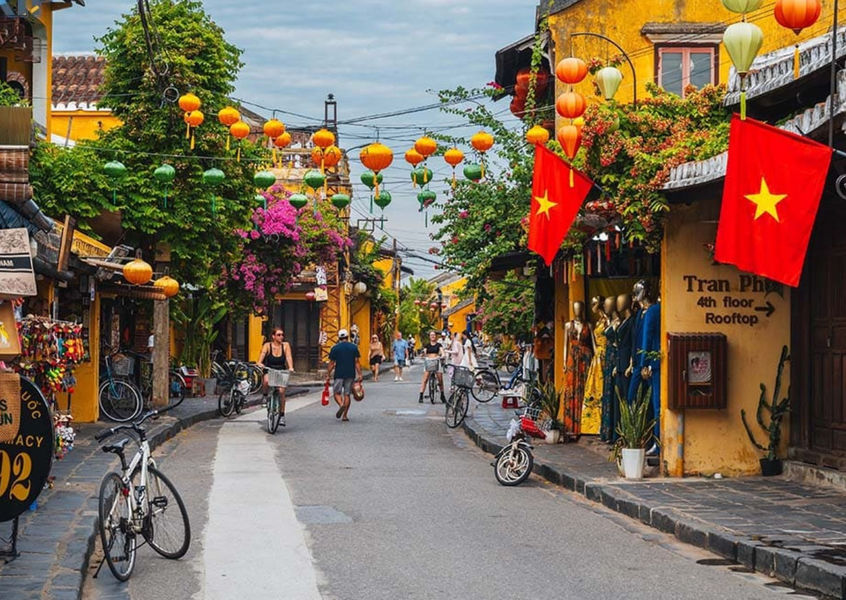
Hoi An’s pedestrian-friendly Old Town is lined with glowing lantern shops, riverside cafés, and low-traffic streets, making it one of the easiest places in Vietnam to simply wander with kids. Renting bikes opens up the surrounding rice paddies and countryside villages for family exploration. While toddlers can comfortably sit in a stroller or be carried through the Old Town from age 4, the cycling routes are best enjoyed by independent riders aged 6 and up.
2.5. Take a Family Cooking Class in Hoi An or Hanoi
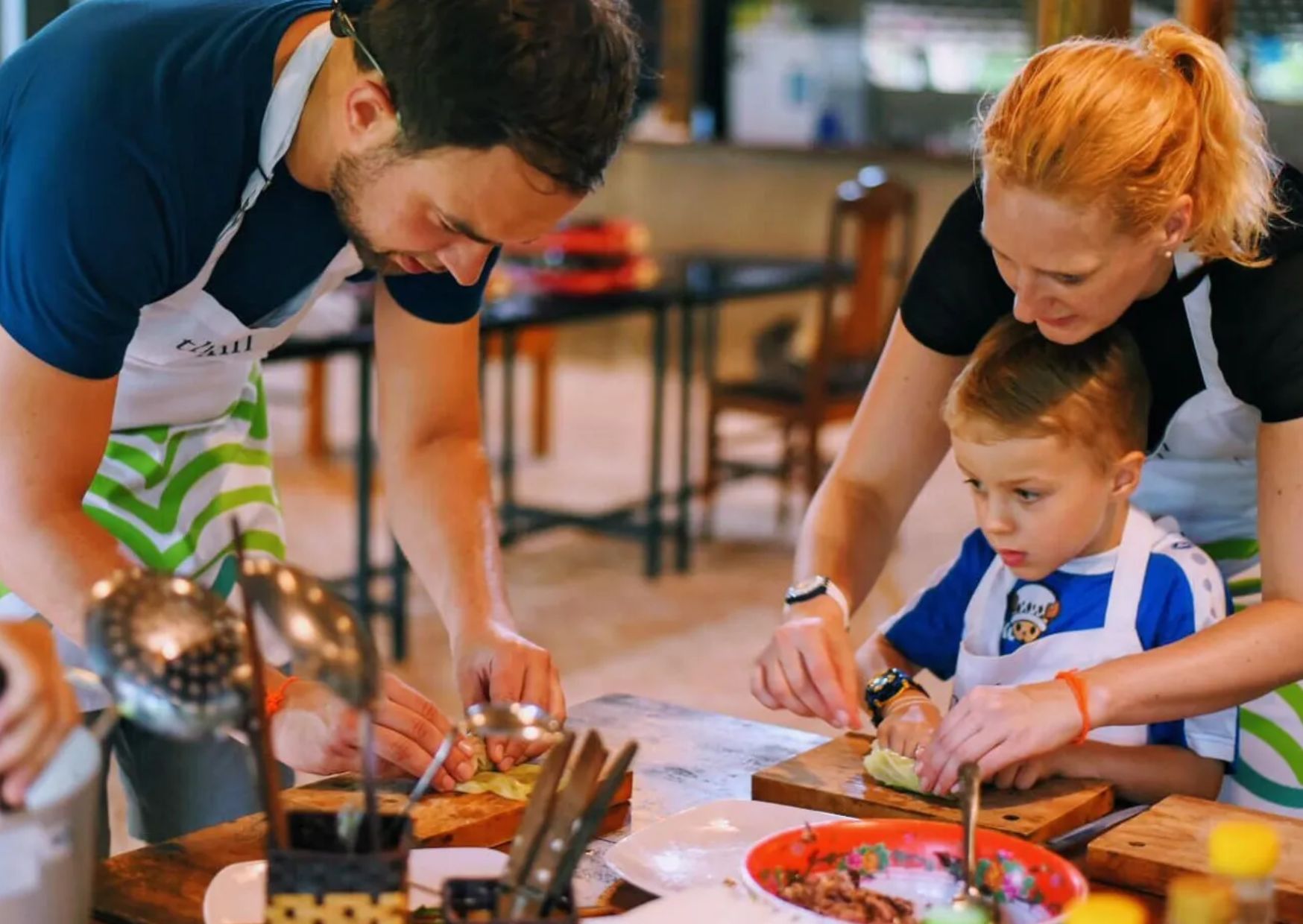
Family-style cooking classes typically start with a vibrant market visit to pick fresh ingredients, followed by hands-on preparation of iconic Vietnamese dishes like fresh spring rolls or savory banh xeo. This experience is highly recommended for children aged 6 and above, as kid-friendly classes safely simplify the knife work. Teenagers, on the other hand, can easily join a standard adult-level class.
2.6. Visit the Cu Chi Tunnels Near Ho Chi Minh City
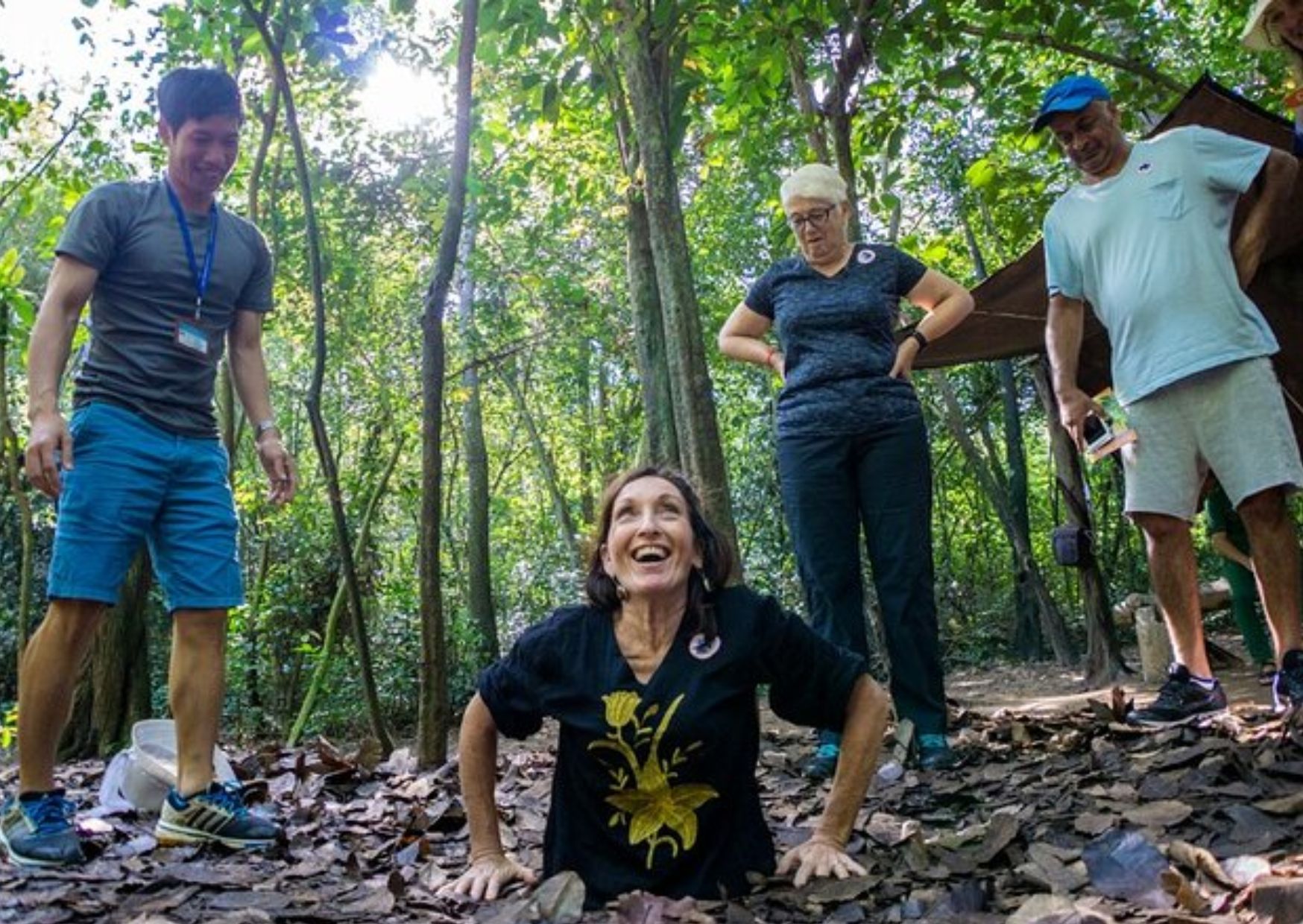
The Cu Chi Tunnels, a massive network of underground passages used during the war, let visitors crawl through short tunnel sections and view recreated traps and hideouts in the surrounding jungle. This historic site is most suitable for school-age children, around 8 years and up, who can process the wartime context and are comfortable in tight, confined spaces. It is generally a less suitable stop for toddlers or preschoolers.
2.7. Take a Mekong Delta Boat and Homestay Tour
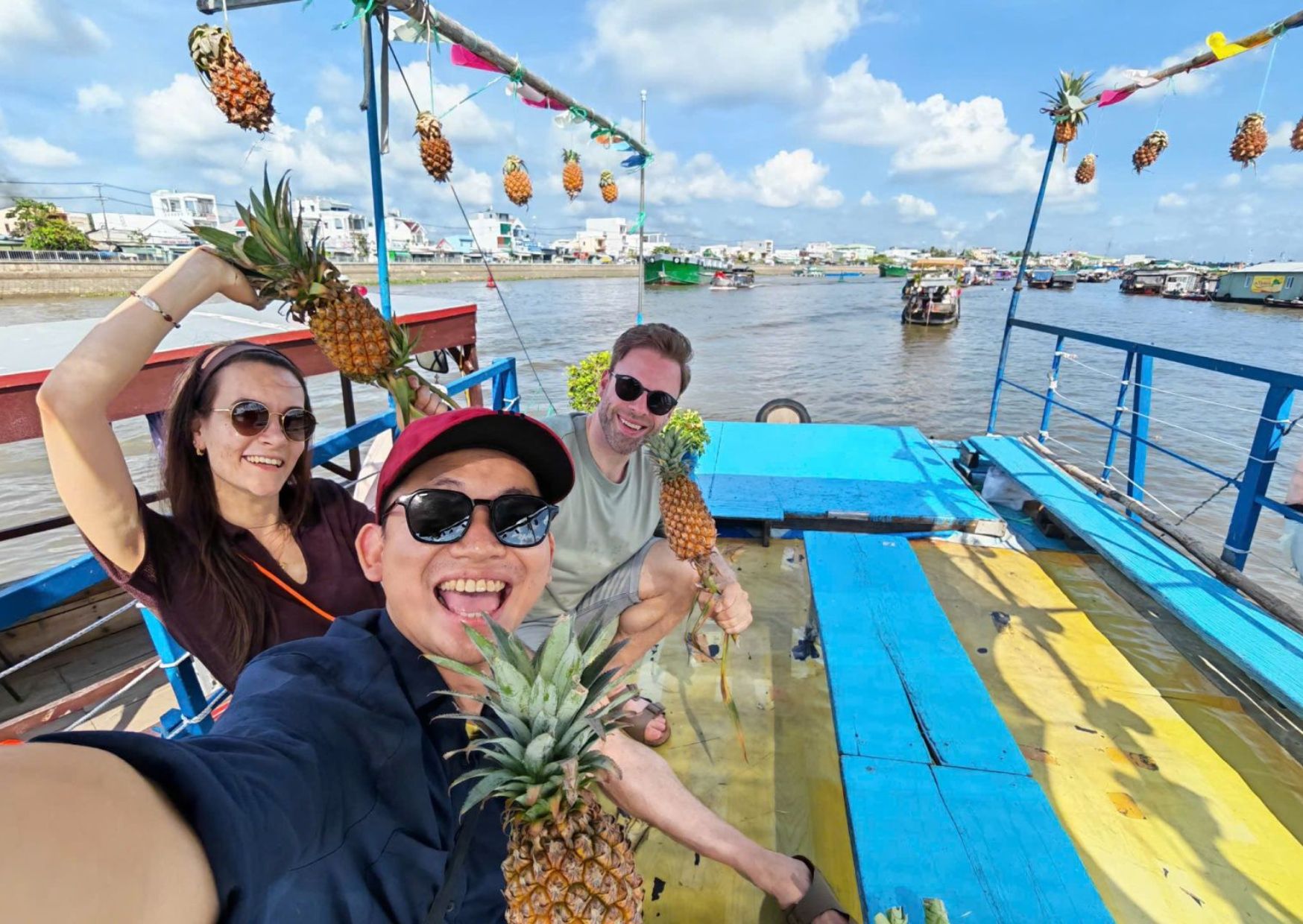
A Mekong Delta tour moves the family through floating markets, local coconut candy workshops, and narrow canals by motorboat and traditional rowboat, often wrapping up with a cozy village lunch or an overnight homestay. Children from age 5 will get the most out of this trip. The dynamic mix of short boat rides and walking stops keeps things engaging for kids who can handle a full day without needing a long midday nap.
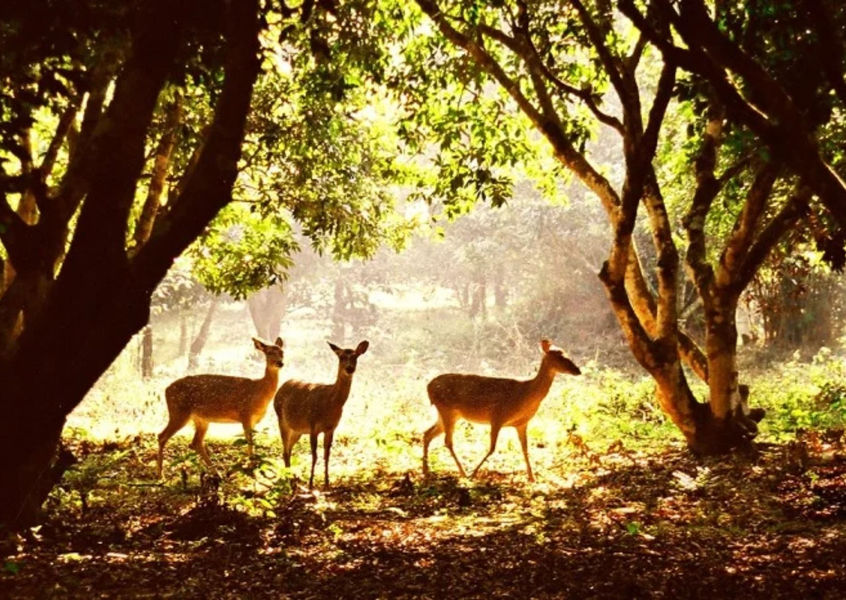
2.8. Spot Wildlife at Cuc Phuong National Park
Vietnam’s oldest national park combines lush jungle trails with the Endangered Primate Rescue Center, where kids can see rare langurs and gibbons up close in large, open-air enclosures. The rescue center features flat, short walkways perfect for young explorers from age 4. However, if you plan to tackle the deeper, more uneven, and sometimes muddy jungle trails, it’s best to wait until your kids are at least 7.
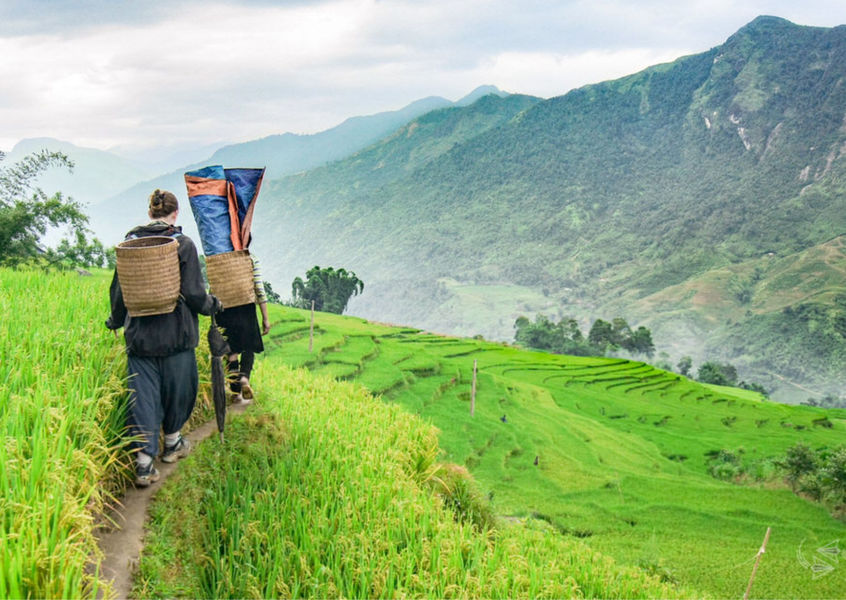
2.9. Trek the Terraced Hills of Sapa
Sapa’s multi-hour treks wind through breathtaking rice terraces and ethnic minority villages, usually following narrow dirt paths with noticeable elevation changes. Full-day treks require the stamina of kids aged 8 and up. For younger children, shorter 1–2 hour guided valley walks are readily available. Multi-day treks that include village homestays are generally an excellent fit for teens.
2.10. Drive the Ha Giang Loop by Jeep
While the dramatic Ha Giang Loop is traditionally ridden by motorbike, booking an open-air jeep allows the whole family to safely take in the same hairpin mountain passes and terraced valleys. This adventure is ideal for children aged 6 and older. Because of the winding roads and long hours of travel, kids prone to motion sickness may struggle, so it is highly recommended to test their comfort on shorter mountain drives first.

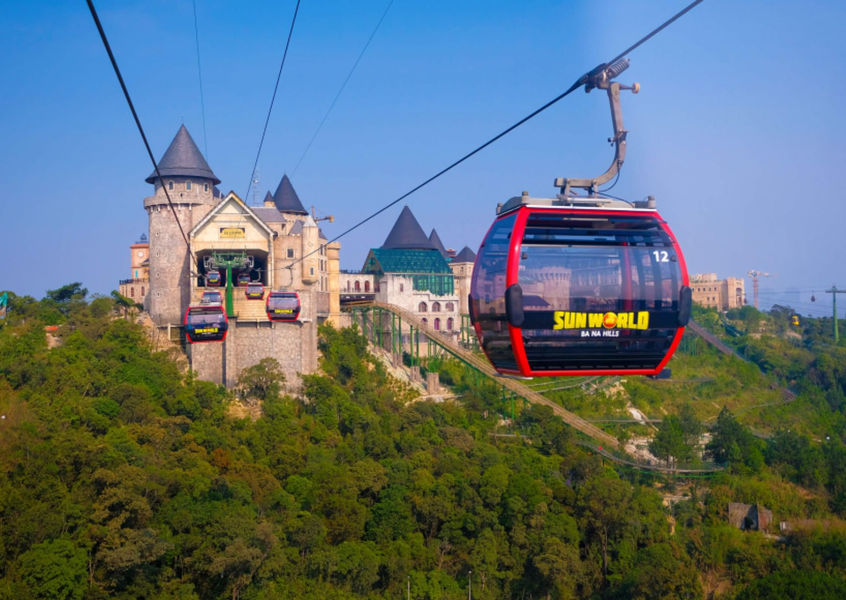
2.11. Ride the Cable Car and Explore Ba Na Hills, Da Nang
Ba Na Hills combines a record-breaking cable car ride with French-colonial-style gardens, a massive indoor amusement park, and the famous Golden Bridge held aloft by two giant stone hands. The scenic cable car and gardens are accessible and fun for little ones as young as 4. Meanwhile, older children and thrill-seekers can head to the amusement park, where rides have their own height requirements.
2.12. Spend a Day at VinWonders Theme Park
Located in Phu Quoc, Nha Trang, and Hoi An, VinWonders parks combine thrilling rollercoasters, massive water parks, and 4D cinemas across separate themed zones. These parks offer something for everyone starting from age 3. Toddlers will love the splash pads and gentle fairytale attractions, while older kids and teens who meet the minimum height requirements (usually 1.0 m–1.3 m) can access the full adrenaline lineup.

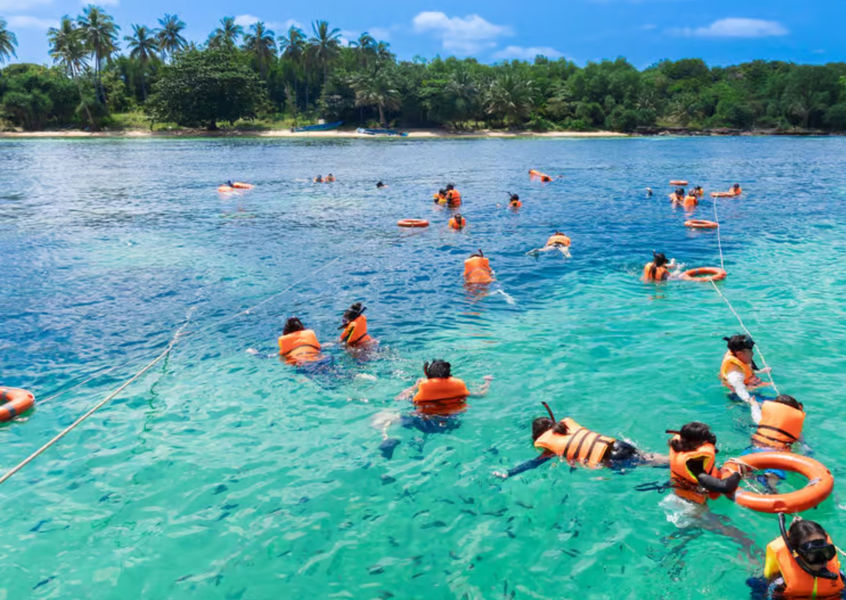
2.13. Snorkel or Swim Around Phu Quoc Island
Phu Quoc’s calm, crystal-clear waters make it one of Vietnam’s premier beach destinations for families, offering boat trips out to coral reefs for snorkeling alongside relaxing beach and pool days. Active snorkeling is best reserved for confident swimmers aged 8 and up. However, younger children can still join the boat ride, enjoy the island scenery, and splash around safely in the shallow areas near the reef.
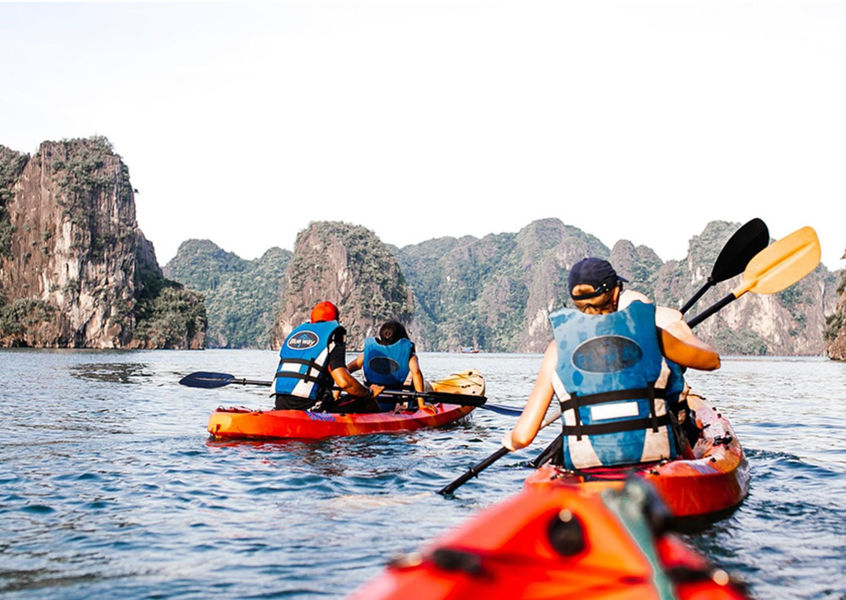
2.14. Kayak the Lagoons of Ha Long Bay or Lan Ha Bay
Most kayaking excursions here take place in calm, sheltered lagoons under the watchful eye of a guide, paddling past towering limestone cliffs and through low cave openings. Children as young as 5 can safely paddle in a tandem kayak paired with an adult. Solo kayaking is typically restricted to older kids (around 10–12 years old) who are strong swimmers, depending on the tour operator’s rules.
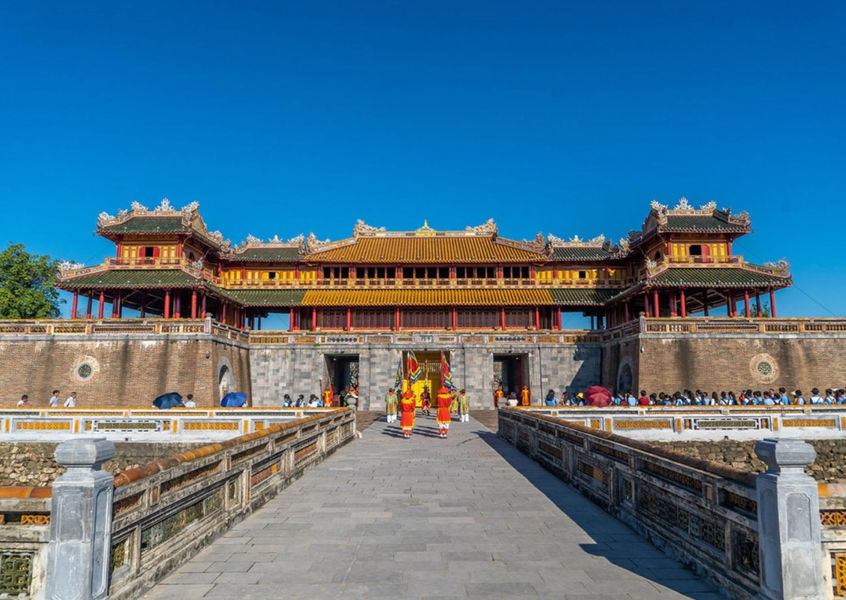
2.15. Tour the Imperial Citadel in Hue
The seat of Vietnam’s last royal dynasty, Hue’s Citadel and Imperial Enclosure gives kids a hands-on history lesson set against massive moats, ancient gates, and a towering flag tower. The historical context lands best with school-age children from age 7 and up. That said, the large, wide-open courtyards are perfectly safe and highly manageable for toddlers who just want to run around and explore the grand grounds.
Turning a list of activities into a realistic, well-paced itinerary is the part most parents find hardest to do alone. Tonkin Legends builds custom family itineraries across Vietnam, selecting and sequencing activities like the ones above to match your children’s ages and energy levels. If you’re ready to turn this list into a real trip, reach out to our team to start planning your family’s Vietnam adventure.
3. FAQs
What is the best activity in Vietnam for toddlers?
A Ha Long Bay or Trang An boat cruise is the most toddler-friendly option, since it requires no walking and lets a young child nap or play on a stable, slow-moving boat while the family still takes in Vietnam’s signature scenery.
Which Vietnam activities are best for teenagers?
Trekking in Sapa, the Ha Giang Loop, snorkeling around Phu Quoc, and the Cu Chi Tunnels tend to suit teens best, since they combine physical activity or historical depth that younger children aren’t always ready for.
Do we need to book these activities with a guide in advance?
Many of these activities such as boat cruises, cooking classes, national park visits, and homestay tours are easier and safer to book through a local operator who can match the pace and difficulty level to your children’s ages, rather than arranging each one independently on arrival.

Comment (0)