Vietnam has always been more than a destination for beaches and street food. For discerning travelers who want to go deeper, Vietnam offers one of the most culturally layered private tour experiences in all of Southeast Asia.
What separates a genuine Vietnam art culture tour from a generic sightseeing itinerary is access: to working artists, to living craft traditions, to performances that are not staged for tourist audiences. This guide covers everything luxury travel agencies need to know about designing and selling Vietnam art culture tours: what to include, where to go, how many days to plan, and what a private itinerary looks like when delivered through an experienced Vietnam DMC.
1. The 6 Core Art and Culture Experiences in Vietnam
Vietnam’s art and culture do not exist behind glass in air-conditioned museums alone. They live in the hands of a Bat Trang potter, echo in the percussion of a Nha Nhac court orchestra in Hue, and flicker across the Thu Bon River every full moon night in Hoi An. For luxury travelers planning a Vietnam art culture tour, the question is rarely whether Vietnam has culture worth experiencing.
1.1. Hanoi: The Living Art Capital
- Location: Hanoi, Northern Vietnam
- Best for: Contemporary art, traditional performing arts, craft villages
Hanoi is Vietnam’s undisputed art capital. The city is home to Vietnam’s oldest fine arts university (Vietnam University of Fine Arts, founded 1925), a dense concentration of private galleries in the Tay Ho and Hoan Kiem districts, and a community of internationally exhibited artists accessible for private studio visits. This is an experience that no standard group tour can replicate.
Key Vietnam art experiences in Hanoi:
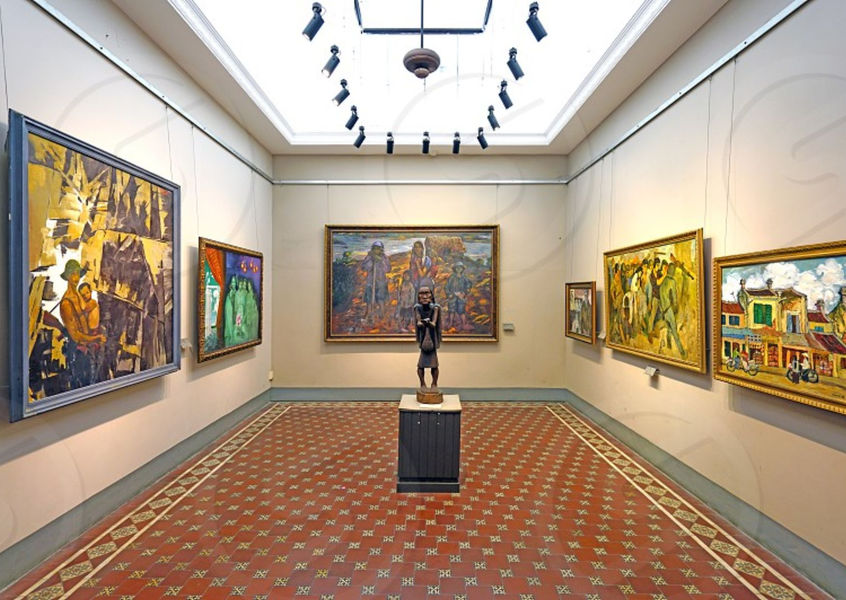
- Vietnam Fine Arts Museum: Located at 66 Nguyen Thai Hoc Street, Hanoi. Three floors of Vietnamese art spanning prehistoric artifacts through Cham sculpture, lacquer painting, silk painting, and revolutionary-era works. Open Tuesday–Sunday, 8:30 AM–5:00 PM.
- Vietnam National Museum of History : The Dong Son bronze drums here are among the most significant prehistoric art objects in all of Asia.
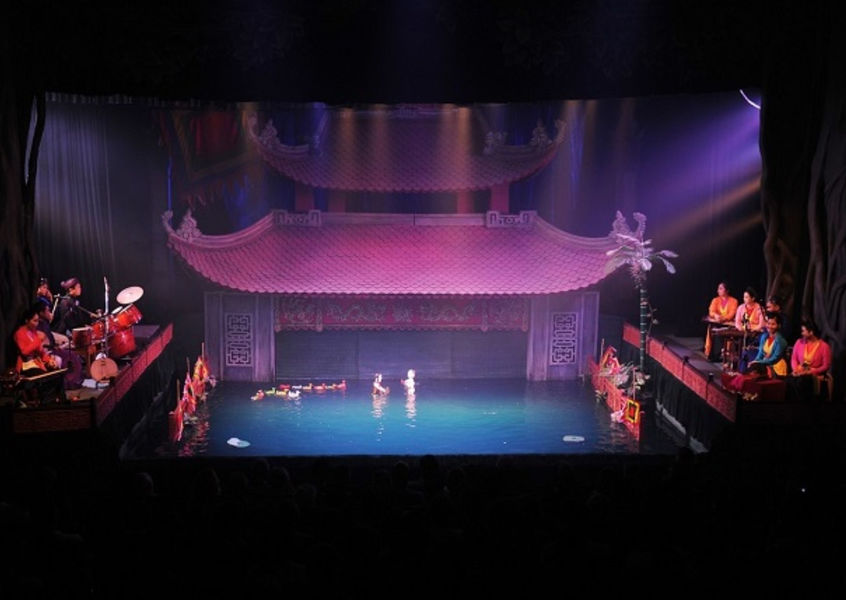
Private artist studio visits in Tay Ho: Organized through a specialist DMC, clients can meet privately with Vietnam’s leading contemporary artists, view their studios, and commission original works. - Thang Long Water Puppet Theatre: Water puppetry (Múa Rối Nước) has been practiced in the Red River Delta for over 1,000 years. Performances at this theatre, located at 57B Dinh Tien Hoang Street, Hanoi Old Quarter, run nightly. The art form depicts scenes from Vietnamese rural life, mythology, and history through carved wooden puppets manipulated beneath the water’s surface.
- Bat Trang Ceramic Village: A 600-year-old pottery village 13 km southeast of Hanoi. Clients can try hand-throwing clay, learn traditional glazing techniques, and purchase hand-painted ceramics directly from artisan families.
1.2. Hue: Royal Arts & Imperial Heritage
- Location: Hue City, Thua Thien-Hue Province, Central Vietnam
- Best for: Imperial court arts, royal music, traditional painting
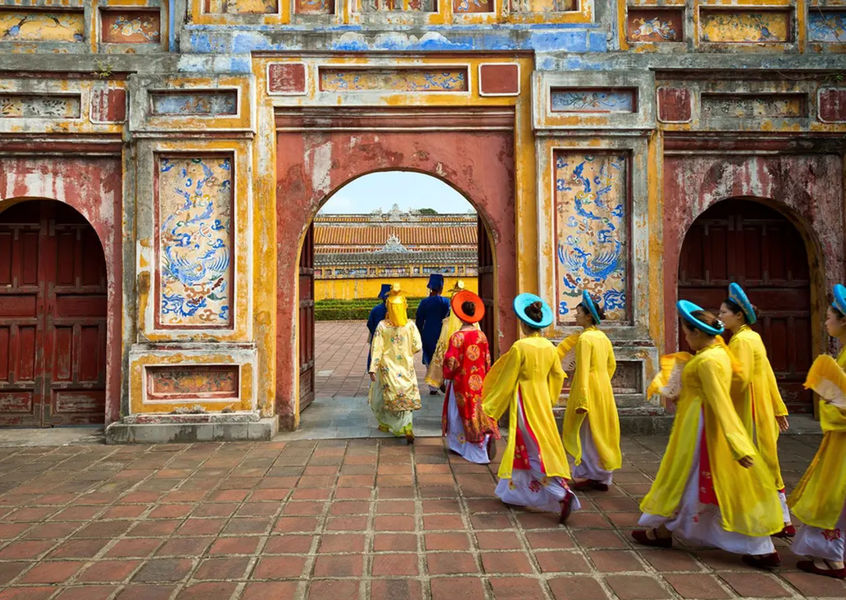
Hue served as the imperial capital of Vietnam under the Nguyen Dynasty from 1802 to 1945. For 143 years, the city was the center of Vietnam’s most refined artistic culture, including architecture, painting, cuisine, music, and ceremonial craft, all developed under royal patronage.
Key art culture experiences in Hue:
- Hue Imperial Citadel: A UNESCO World Heritage Site covering 520 hectares. The Forbidden Purple City within the citadel was the private residence of the Nguyen emperors and contains imperial garden architecture, ceremonial halls, and royal art collections.
- Nha Nhac—Vietnamese Royal Court Music: UNESCO recognized Nha Nhac as an Intangible Cultural Heritage of Humanity in 2003. Live performances are held at the Hue Royal Theatre inside the Imperial Citadel. This is classical court music performed on traditional Vietnamese instruments, including the đàn bầu (monochord), đàn tranh (16-string zither), and trống (drum).
- Royal Tombs of the Nguyen Emperors: The tombs of Tu Duc, Minh Mang, Khai Dinh, and Dong Khanh are not merely burial sites; they are architectural art installations, each reflecting the aesthetic philosophy of the emperor who built them.
- Hue Traditional Craft Villages: Thuy Xuan (incense making), Sinh Village (traditional painting on rice paper), and Phu Cat (bronze casting); these villages are all accessible on day trips from the city center.
1.3. Hoi An: Living Art Town
- Location: Hoi An, Quang Nam Province, Central Vietnam
- Best for: Textile art, lantern-making, tailoring, Cham connections
Hoi An Ancient Town is a UNESCO World Heritage Site, a remarkably intact trading port from the 15th–19th centuries, where Japanese merchant houses, Chinese assembly halls, Vietnamese tube houses, and French colonial buildings coexist on lanes barely wide enough for two people to pass.
Key art culture experiences in Hoi An:
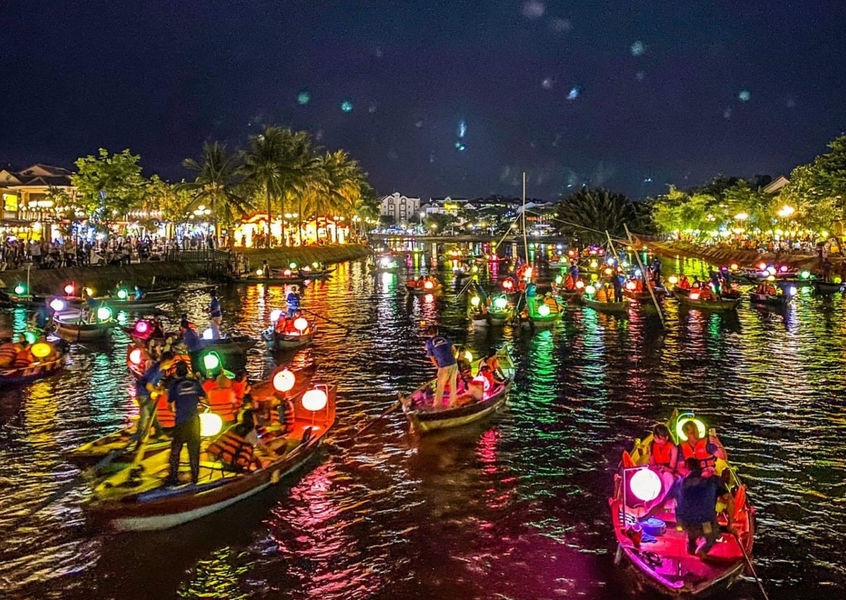
- Hoi An Lantern Festival: Held on the 14th day of every lunar month (full moon night), when the town switches off electric lights and floats hundreds of silk lanterns on the Thu Bon River. One of the most visually striking recurring cultural events in Southeast Asia.
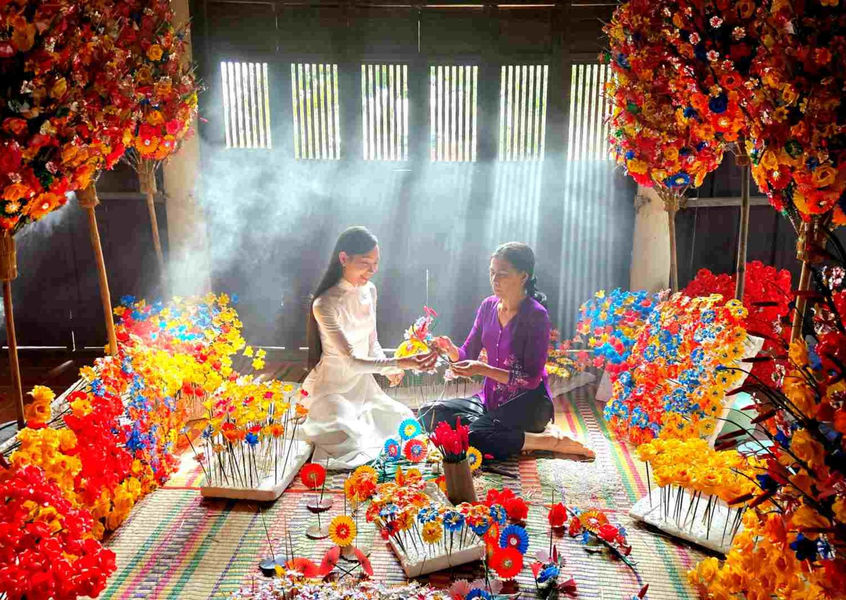
- Silk Lantern Workshops: Hands-on workshops where clients learn to assemble traditional Hoi An silk lanterns using bamboo frames and hand-dyed fabric. Available daily at multiple studios in the Ancient Town.
- Tailoring culture: Hoi An is Vietnam’s tailoring capital. Over 400 tailor shops operate in the Ancient Town, capable of producing custom ao dai, suits, or bespoke garments within 24–48 hours using Vietnamese silk.
- My Son Sanctuary: Located 40 km southwest of Hoi An, My Son is a cluster of partially ruined Hindu temples built by the Champa Kingdom between the 4th and 14th centuries. The sandstone and brick Cham sculptures here such as Shiva lingam, Nandi bulls, and apsara carvings represent one of the most significant collections of Hindu art outside the Indian subcontinent.
- Cham Museum, Da Nang: A 30-minute drive from Hoi An, the Cham Museum (Bảo tàng Điêu khắc Chăm) at 22 Thang 9 Street, Da Nang City, holds the world’s largest collection of Cham sculpture.
1.4. Ho Chi Minh City: Contemporary Art & Cultural Mosaic
- Location: Ho Chi Minh City (formerly Saigon), Southern Vietnam
- Best for: Contemporary galleries, colonial architecture art, cultural performance
Ho Chi Minh City’s art scene is the most commercially active and internationally connected in Vietnam. The city hosts regular vietnam art exhibitions at venues including the following:
- Ho Chi Minh City Museum of Fine Arts: Located at 97A Pho Duc Chinh Street, District 1. The museum occupies a beautifully preserved French colonial mansion and holds collections spanning traditional Vietnamese lacquer art, contemporary oil painting, sculpture, and graphic arts. Open Tuesday–Sunday. Entry: 30,000 VND (approx. ₹100).
- The Factory Contemporary Arts Centre: This architecture is located at 15 Nguyen U Di Street, Thu Duc City. Vietnam’s most significant contemporary art institution, hosting rotating international and Vietnamese exhibitions in a converted industrial space.
- Saigon Opera House: Built in 1897 by the French colonial administration, this Neo-Baroque building hosts regular cultural performances, ballet, and traditional Vietnamese shows.
- Ben Thanh Market District Galleries: The streets surrounding Ben Thanh Market in District 1 host dozens of commercial galleries specializing in lacquer painting, silk painting, and oil on canvas works by Vietnamese artists.
1.5. Sapa: Living Ethnic Art Traditions
- Location: Lào Cai Province, Northwest Vietnam
- Best for: Textile art, indigo dyeing, ethnic minority craft traditions
The mountainous region around Sapa, located 380 km northwest of Hanoi at an altitude of 1,600 m above sea level, is home to ethnic minority communities, including the Black Hmong, Red Dao, Tay, and Giay peoples, each maintaining distinct textile traditions of extraordinary visual complexity.
Key art culture experiences in Sapa:
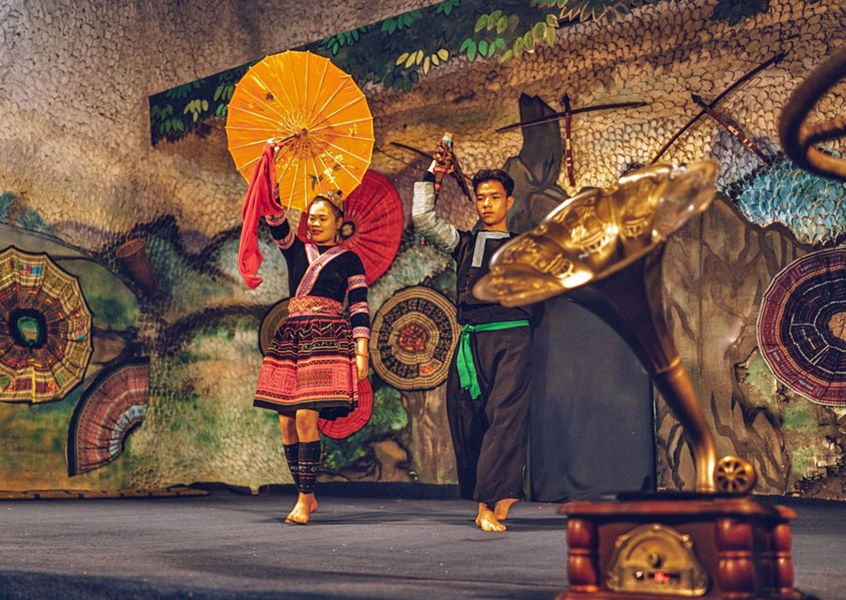
- Hmong Batik and Indigo Dyeing: Black Hmong women in Sapa’s surrounding villages practice traditional batik using beeswax resist and natural indigo dye. The geometric patterns on Hmong fabric carry clan identity, spiritual meaning, and ceremonial function.
- Red Dao Embroidery: Red Dao women embroider elaborate floral and symbolic patterns onto headpieces, jackets, and ceremonial bags using silk thread on cotton. These textiles are worn during important life events including weddings, new year ceremonies, and coming-of-age rituals.
- Village Craft Cooperatives: Several cooperatives in Cat Cat Village (3 km from Sapa Town) and Ta Van Village allow visitors to observe and participate in spinning, dyeing, weaving, and embroidery, and to purchase directly from the artisans.
1.6. The Mekong Delta: Folk Art & River Culture
- Location: Can Tho, Ben Tre, Tien Giang, Southern Vietnam
- Best for: Folk music, traditional boat-building, floating market culture
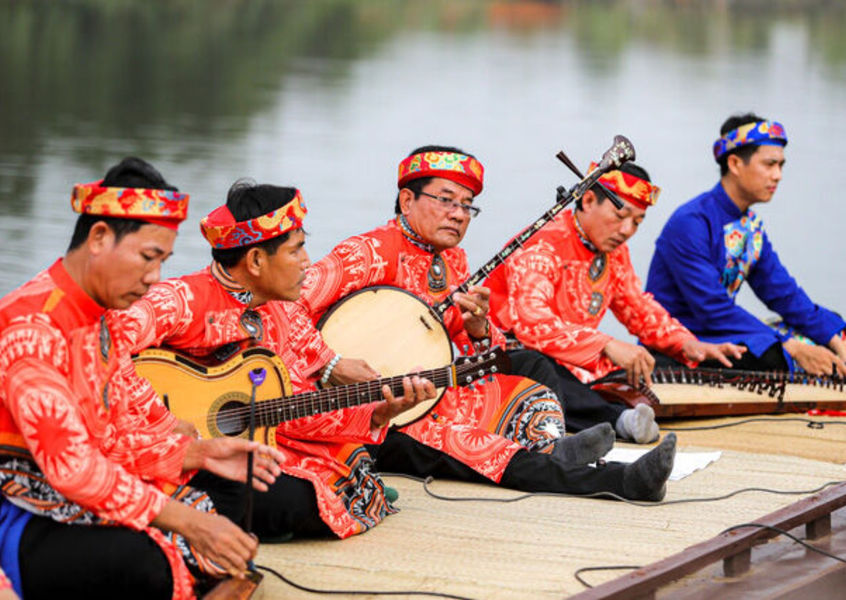
Southern Vietnam’s Mekong Delta has developed its own distinct folk art tradition, including Đờn Ca Tài Tử (Southern Amateur Music, UNESCO Intangible Cultural Heritage since 2013), coconut shell carving, and lacquerware inlaid with mother-of-pearl.
2. Vietnam Art Exhibitions: What’s Scheduled in 2026
Vietnam’s art exhibition calendar has grown significantly in recent years, with international galleries from Japan, France, South Korea, and the United States maintaining active cultural programs in Hanoi and Ho Chi Minh City.
| Exhibition Venue | Location | Type | Notes for Travelers |
| Vietnam Fine Arts Museum | 66 Nguyen Thai Hoc, Hanoi | Permanent + rotating | National collection; best overview of 4,000 years |
| The Factory Contemporary Arts Centre | 15 Nguyen U Di, HCMC | Contemporary rotating | International and Vietnamese contemporary art |
| Ho Chi Minh City Museum of Fine Arts | 97A Pho Duc Chinh, HCMC | Permanent + seasonal | Colonial mansion setting; lacquer art collection |
| Cham Museum | 2 2 Thang 9, Da Nang | Permanent | Hindu–Buddhist sculpture; essential for visitors |
| Hanoi Old Quarter galleries | Hang Bong & Trang Tien, Hanoi | Commercial galleries | Lacquer, silk, oil; works available for purchase |
| Vietnam Museum of Ethnology | Nguyen Van Huyen, Cau Giay, Hanoi | Permanent | 54 ethnic groups; textile and craft displays |
3. Suggested Itinerary: 10-Day Vietnam Art Culture Tour
This itinerary is designed for luxury travelers flying into Hanoi (HAN) from major international gateways — London (LHR), Paris (CDG), Dubai (DXB), Singapore (SIN), Sydney (SYD), or Tokyo (NRT) — via direct or one-stop connections.
Best travel period for travelers: November to April (dry season across most of Vietnam; optimal for Hoi An and Central Vietnam)
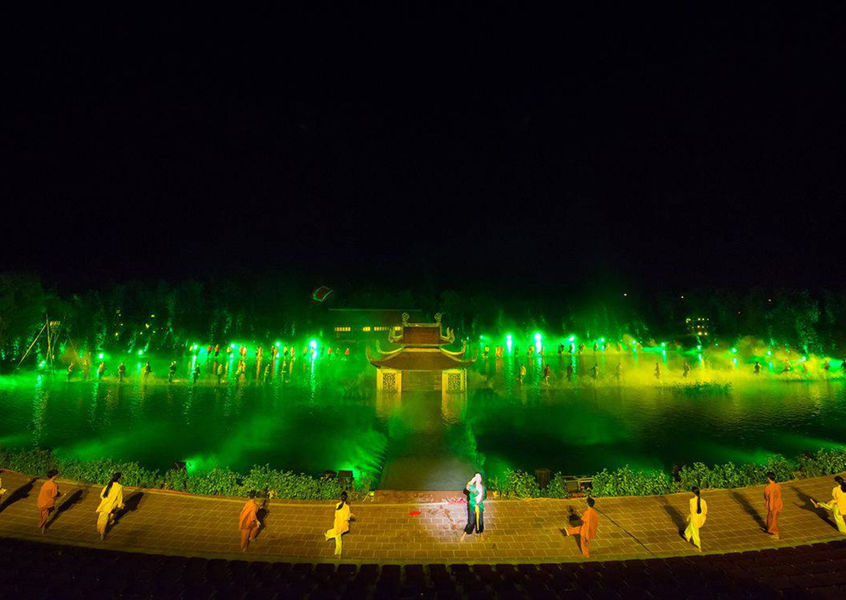
Day 1: Arrive in Hanoi: Transfer to hotel; evening walk in Hoan Kiem Old Quarter.
Day 2: Explore Hanoi: Vietnam Fine Arts Museum + Vietnam Museum of Ethnology + Water Puppet Theatre evening show.
Day 3: Explore Hanoi: Private artist studio visit in Tay Ho + Bat Trang Ceramic Village afternoon.
Day 4: Hanoi transfer to Ninh Binh: Hoa Lu Ancient Capital (11th-century temple complex); scenic boat ride through Trang An caves.
Day 5: Ninh Binh fly to Hue: Royal Tombs of Nguyen emperors (Tu Duc Tomb) + evening Nha Nhac court music performance.
Day 6: Explore Hue: Hue Imperial Citadel (UNESCO) + Thuy Xuan Incense Village + traditional Hue cuisine cooking class.
Day 7: Hue transfer to Hoi An: My Son Sanctuary (Hindu Cham temples) + check-in Hoi An Ancient Town.
Day 8: Explore Hoi An: Silk lantern workshop + Cham Museum Da Nang + full moon lantern festival (if lunar calendar aligns).
Day 9: Fly to Ho Chi Minh City: HCMC Museum of Fine Arts + The Factory Contemporary Arts Centre + Ben Thanh Gallery District.
Day 10: Ho Chi Minh City Departure: Morning: Saigon Opera House exterior + colonial art district walk; afternoon departure.
Optional extension (Day 11-13): Mekong Delta – Đờn Ca Tài Tử folk music performance in Can Tho + craft village visits in Ben Tre.
4. Price Reference: Vietnam Art Culture Tour Costs for Travelers
The following price ranges are indicative starting rates for private vietnam art culture tours organized through a Vietnam DMC, inclusive of private transfers, English-speaking specialized guides, accommodation (4-star or 5-star), and cultural experiences. International airfare from India is not included. Actual prices vary depending on selected hotels, travel season, group size, and specific itinerary. Please contact Tonkin Legends for a personalized quote.
| Tour Duration | Category | Starting From (Twin Sharing) | Starting From (Single) |
| 7 Days | 4-Star Private | From USD 950 / ₹79,000 per person | From USD 1,200 / ₹1,00,000 per person |
| 10 Days | 4-Star Private | From USD 1,400 / ₹1,17,000 per person | From USD 1,800 / ₹1,50,000 per person |
| 10 Days | 5-Star Luxury Private | From USD 2,200 / ₹1,84,000 per person | From USD 2,800 / ₹2,34,000 per person |
| 14 Days | 5-Star Luxury Private | From USD 3,200 / ₹2,67,000 per person | From USD 4,200 / ₹3,51,000 per person |
Please note that these are reference prices only. Final pricing is confirmed upon itinerary customization. Exchange rate reference: 1 USD ≈ ₹83.5.
5. Practical Tips for Travelers on Vietnam Art Culture Tours
Vietnam is a remarkably smooth destination to operate for experienced luxury agencies. However a few logistics, confirmed in advance, ensure the seamless experience your clients expect. From visa processing and currency to the optimal travel season and on-ground etiquette, the notes below cover the essentials your team needs when briefing clients ahead of departure.
Vietnam e-Visa: Most international passport holders require a visa to enter Vietnam. The Vietnam e-Visa is available at evisa.gov.vn, allowing stays of up to 90 days (single or multiple entry) at a cost of USD 25. Processing time is typically 3 business days. Tonkin Legends provides visa arrangement support for all agency partners.
Currency: Vietnam uses the Vietnamese Dong (VND). ATMs are widely available in Hanoi, Hoi An, Da Nang, and Ho Chi Minh City. Visa and Mastercard are accepted at 4-star and 5-star properties and most tourism-facing businesses. USD is accepted at many premium venues.
Cuisine: Vietnamese cuisine is fresh, herb-forward, and largely compatible with a wide range of dietary preferences. Vegetarian and vegan options are widely available, particularly in Hue and Hoi An. Tonkin Legends can recommend and pre-book premium dining experiences in each city, including private chef experiences and heritage restaurant bookings.
Best time to visit:
- November to April: Optimal across most of Vietnam; ideal for Central Vietnam (Hue, Hoi An, Da Nang) heritage touring in dry, comfortable conditions.
- May to October: Suitable for Northern Vietnam (Hanoi, Sapa); rainy season in Central Vietnam. The Hoi An Lantern Festival occurs monthly regardless of season.
Photography: Most Vietnamese museums permit photography without flash. At My Son Sanctuary and Cham religious sites, photography is permitted in common areas. Clients should seek permission before photographing artisans at work and in most cases this is warmly welcomed.
Tipping: Gratuities are appreciated but not obligatory. A guide tip of USD 10–15 per day and a driver tip of USD 5–8 per day are standard reference points for luxury itineraries.
6. FAQ: Vietnam Art Culture Tours
Which cities in Vietnam are best for an art culture tour?
The four essential cities for a Vietnam art tour are Hanoi (contemporary galleries, national museums, performing arts, craft villages), Hue (imperial court arts, royal architecture, traditional music), Hoi An (UNESCO ancient town, textile arts, lantern craft, Cham heritage proximity), and Ho Chi Minh City (contemporary art exhibitions, colonial architecture, vibrant commercial gallery scene). Da Nang serves as an ideal base for the Cham Museum and My Son Sanctuary.
How many days are recommended for a Vietnam art culture tour?
A minimum of 7 days covers Hanoi and either Central or Southern Vietnam. A 10-day itinerary is recommended to experience Hanoi + Hue + Hoi An + Ho Chi Minh City at a comfortable, unhurried pace. For clients who want to include Sapa’s ethnic textile traditions and the Mekong Delta’s folk music heritage, plan for 12–14 days.
Are Vietnam art culture tours available year-round?
Yes. However, the optimal window for Central Vietnam (Hue and Hoi An) is November to April. Northern Vietnam (Hanoi, Sapa) is best from October to April. Ho Chi Minh City and the Mekong Delta operate well year-round.
What Vietnam art exhibitions are worth scheduling in 2026?
The most consistently high-quality venues include the Vietnam Fine Arts Museum in Hanoi, the Ho Chi Minh City Museum of Fine Arts, and The Factory Contemporary Arts Centre in Ho Chi Minh City. Tonkin Legends can advise on rotating exhibitions scheduled during your clients’ travel dates and arrange priority access where available.
Can clients purchase original Vietnamese artworks during a tour?
Yes. Vietnam’s art market offers exceptional value relative to equivalent quality in Europe or North America. Lacquer paintings, silk paintings, contemporary oil on canvas, ceramics, and textile art are available through reputable galleries in Hanoi and Ho Chi Minh City. Tonkin Legends can arrange private gallery visits, artist introductions, and advise on export documentation for artworks leaving Vietnam.

Comment (0)